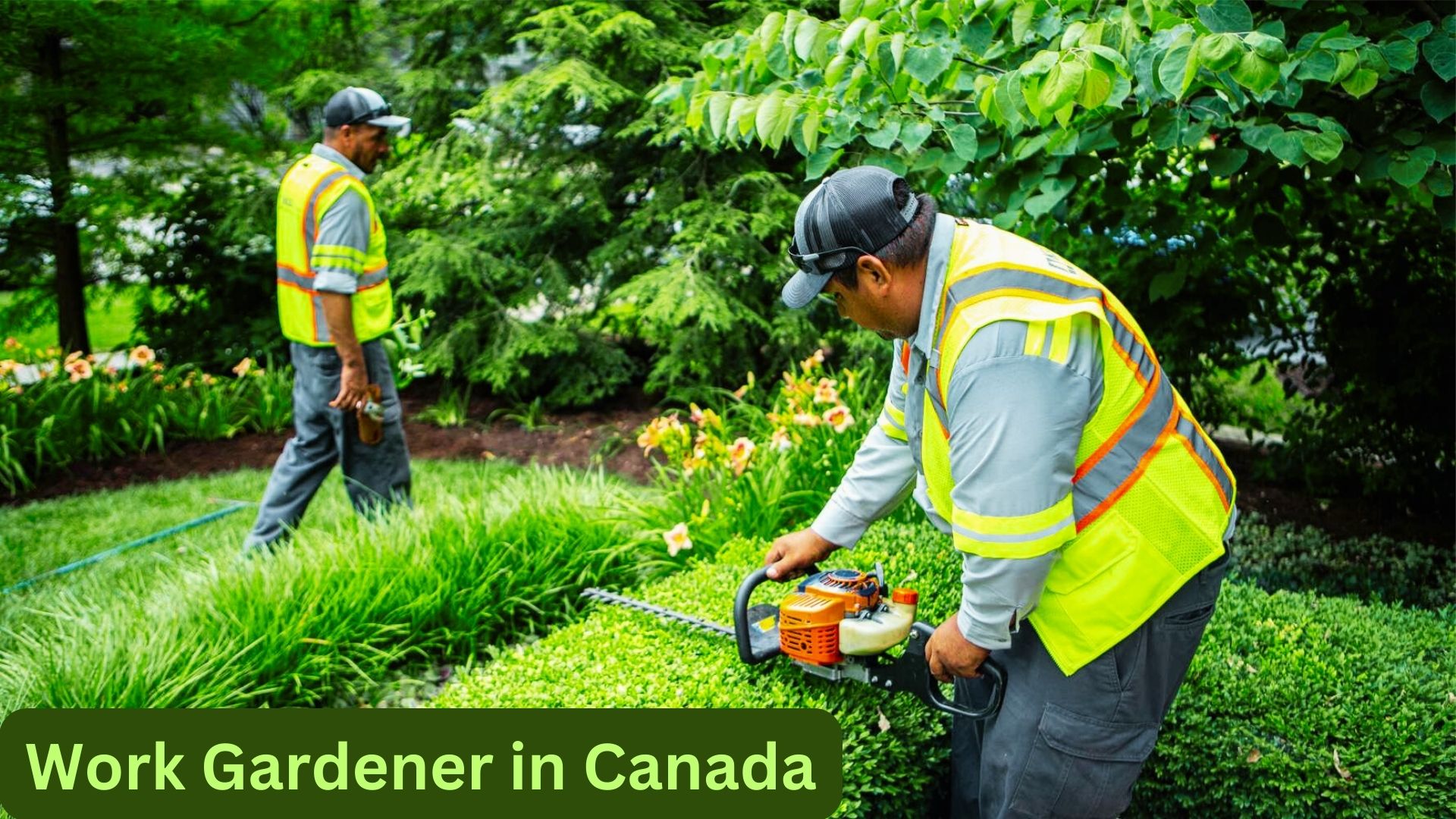
Germany is facing a severe labor shortage across multiple industries, leading employers to recruit foreign workers for unskilled and semi-skilled positions with competitive hourly wages, long-term employment contracts, and employer-supported work authorization. While many roles do not require advanced education, applicants must still meet Germany’s legal employment and immigration requirements.
What Employers Are Offering
- ✔ Employer-provided health & medical insurance
- ✔ Visa sponsorship & legal work authorization
- ✔ Relocation assistance & settlement support
- ✔ Long-term employment & benefit coverage
- ✔ Permanent residency pathways (eligible roles)
This guide explains actual salary ranges, available work visa routes, and what foreign applicants need to know before applying.
Employment Benefit Eligibility Information
Applicants searching for international employment opportunities often compare roles offering employer-sponsored insurance coverage, relocation support, and legally compliant work authorization programs.
- Jobs with employer-provided health insurance benefits
- Visa sponsorship positions including medical coverage
- Full-time employment with dental and vision insurance
- High salary jobs offering worker protection benefits
- Healthcare and caregiver roles including insurance coverage
Understanding benefit eligibility requirements helps applicants evaluate qualified employment offers before submitting immigration applications.
Understanding Unskilled Jobs in Germany (Important Clarification)
In Germany, “unskilled jobs” typically refer to roles that:
-
Do not require a university degree
-
Do not require professional licensing
-
Provide on-the-job training
However, German labor law does not treat these roles as informal employment. All workers—local or foreign—must be legally employed, insured, and registered.
Insurance & Worker Protection Requirements
Before visa approval, many employer-sponsored programs require proof of valid health insurance coverage and worker protection compliance. Immigration authorities verify medical coverage eligibility before granting work authorization.
Depending on the destination country, foreign employees may also need workplace injury protection, employer liability coverage, and travel medical insurance during relocation.
- Mandatory health insurance for visa holders
- Workplace accident and employer liability protection
- Travel and relocation medical coverage
- Insurance verification during immigration processing
Confirm insurance compliance requirements before submitting a work permit application.
Common Unskilled Job Roles Available to Foreign Workers
Foreign workers are commonly hired in the following sectors:
-
Warehouse and logistics assistants
-
Factory and production line workers
-
Cleaning and sanitation staff
-
Agricultural and seasonal farm workers
-
Construction laborers and helpers
-
Hotel housekeeping and kitchen assistants
-
Delivery and packaging workers
These roles exist nationwide, especially in Bavaria, North Rhine-Westphalia, Saxony, and Baden-Württemberg.
Hourly Pay and Salary Expectations in Germany
Typical hourly wages:
-
€12 – €16 per hour (entry-level roles)
-
€16 – €22 per hour (experienced workers or shift work)
-
€20 – €30+ per hour (overtime, night shifts, industrial zones)
Claims of “€100 per hour unskilled jobs” are not standard base wages. Such figures usually reflect:
-
Overtime accumulation
-
Hazard or night-shift premiums
-
Contract or agency-based work in specialized environments
German employers are legally required to comply with minimum wage laws and collective bargaining agreements, making wage transparency mandatory.
Work Visa Options for Unskilled Jobs in Germany
1. German Work Visa for Non-Qualified Employment
This is the most common route for unskilled and semi-skilled workers.
Requirements include:
-
A valid job offer from a German employer
-
Approval from the Federal Employment Agency (BA)
-
Proof of accommodation
-
Health insurance coverage
This visa allows legal employment but is not the EU Blue Card.
2. EU Blue Card – Important Eligibility Rules
The EU Blue Card is NOT issued for unskilled jobs.
To qualify for an EU Blue Card, applicants must:
-
Hold a recognized university degree
-
Receive a minimum annual salary threshold
-
Work in a profession classified as skilled or shortage-based
However, unskilled jobs can serve as a stepping stone:
-
Gain German work experience
-
Improve language skills
-
Transition into skilled roles later
Employer Benefits and Worker Protections
Legally employed foreign workers in Germany receive:
-
Mandatory health insurance
-
Pension and social security contributions
-
Paid leave and sick leave
-
Workplace accident insurance
-
Regulated working hours
Some employers also offer:
-
Temporary housing support
-
Transportation assistance
-
Contract renewal opportunities
Eligibility Requirements for Foreign Applicants
Most employers require:
-
Valid passport
-
Clean criminal record
-
Willingness to work legally in Germany
-
Basic English or German (job-dependent)
-
Physical fitness for manual roles
No degree is required for unskilled roles.
Application Process (Step-by-Step)
-
Secure a legitimate job offer from a German employer
-
Employer applies for labor approval (if required)
-
Apply for a German work visa at the embassy
-
Enter Germany and register residence
-
Begin legal employment
Avoid recruiters requesting illegal fees or offering “guaranteed visas”.
Who Should Consider These Jobs?
These opportunities are suitable for:
-
Foreign workers seeking legal EU employment
-
Applicants without university degrees
-
Individuals planning long-term European work experience
-
Workers willing to start in entry-level roles and advance
Important Legal Notice
Germany strictly enforces labor and immigration laws. Working without proper authorization can result in:
-
Deportation
-
Entry bans
-
Employer penalties
Always ensure your job offer and visa route are legitimate.
Final Thoughts
Unskilled jobs in Germany provide legal access to the European labor market, competitive wages by international standards, and strong worker protections. While these roles do not qualify for the EU Blue Card, they can offer a pathway to long-term employment and career progression when approached correctly.
Related Topics Worth Exploring
-
Germany work permit requirements
-
EU labor shortage occupations
-
Employer-sponsored work visas in Europe
-
Skilled migration pathways after entry