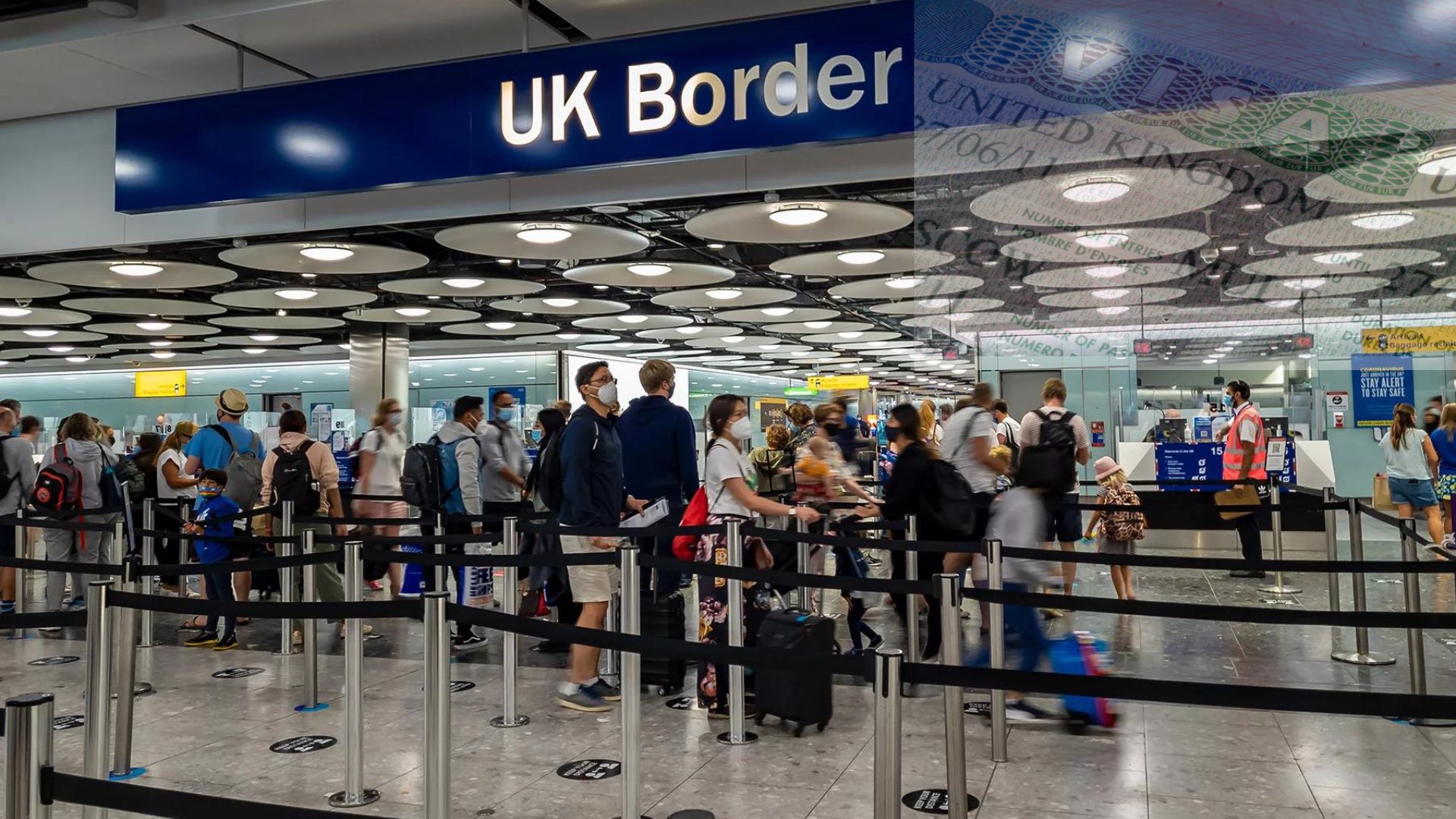
Insurance fraud remains a widespread problem that extends beyond national boundaries, underscoring the significance of fraud investigators on a worldwide level. With the increasing growth of job prospects for fraud investigators overseas, there is a pressing need for individuals possessing the appropriate qualifications and expertise to address fraudulent practices in the insurance sector. This piece offers a comprehensive look into the realm of insurance fraud investigation, detailing the necessary qualifications, duties, obstacles encountered, and prospects awaiting those interested in a profession as a fraud investigator in global contexts.
What Employers Are Offering
- ✔ Employer-provided health & medical insurance
- ✔ Visa sponsorship & legal work authorization
- ✔ Relocation assistance & settlement support
- ✔ Long-term employment & benefit coverage
- ✔ Permanent residency pathways (eligible roles)
Insurance Fraud Investigator
Insurance Fraud Investigator detects and examines fraudulent activities associated with insurance claims. This position requires conducting comprehensive investigations, gathering evidence, and analyzing data to safeguard insurance companies against financial losses caused by dishonest claims.
Employment Benefit Eligibility Information
Applicants searching for international employment opportunities often compare roles offering employer-sponsored insurance coverage, relocation support, and legally compliant work authorization programs.
- Jobs with employer-provided health insurance benefits
- Visa sponsorship positions including medical coverage
- Full-time employment with dental and vision insurance
- High salary jobs offering worker protection benefits
- Healthcare and caregiver roles including insurance coverage
Understanding benefit eligibility requirements helps applicants evaluate qualified employment offers before submitting immigration applications.
Insurance & Worker Protection Requirements
Before visa approval, many employer-sponsored programs require proof of valid health insurance coverage and worker protection compliance. Immigration authorities verify medical coverage eligibility before granting work authorization.
Depending on the destination country, foreign employees may also need workplace injury protection, employer liability coverage, and travel medical insurance during relocation.
- Mandatory health insurance for visa holders
- Workplace accident and employer liability protection
- Travel and relocation medical coverage
- Insurance verification during immigration processing
Confirm insurance compliance requirements before submitting a work permit application.
Importance of Insurance Fraud Investigation on a Global Scale
Insurance fraud investigations are important for financial, business and reputational reasons. Its importance has been emphasized in a variety of key areas:
- Investigating and mitigating insurance fraud protects companies from significant financial losses, protects their financial health, and reduces unnecessary cash flow.
- Fraud Investigation provides insights that help insurers improve risk assessment and underwriting, enabling them to manage overall risk better.
- Effective fraud Investigation ensures that insurance companies comply with the law, avoid legal sanctions and protect their integrity.
- Modern fraud Investigation uses advanced technologies such as data analytics and AI to improve accuracy and efficiency, making fraud detection more effective.
- Effective fraud Investigation ensures that claims are handled efficiently and effectively, increases customer confidence and improves retention and retrieval.
- Effective fraud Investigation ensures effective handling of claims, increases customer confidence and improves retention and recovery.
Qualifications and Skills Required for Employment as a Fraud Investigator
Qualifications and skills required for employment as a fraud investigator typically include:
Qualifications:
- A bachelor’s degree in a relevant field, such as criminal justice, accounting, finance, or business administration, is often required.
- Experience in investigative roles or working with financial data is particularly valuable.
- Certifications: Certified Fraud Examiner (CFE), Certified Forensic Accountant (Cr. FA), or Certified Anti-Money Laundering Specialist (CAMS).
Skills:
- Analytical Skills
- Attention to Detail
- Communication
- Critical Thinking
- Problem-Solving
- Teamwork
- Ethical Conduct
- Proficiency in using various software applications for data analysis, financial modelling, and report writing
- Understanding of relevant laws, regulations, and legal procedures pertaining to fraud investigations
Job Responsibilities and Duties of a Fraud Investigator
The job responsibilities and duties of a fraud investigator overseas typically include:
- Thoroughly investigate cases of suspected insurance fraud, including examining receipts, interviewing witnesses and looking for corroborating evidence.
- Collect and analyze data from a variety of sources, such as insurance databases, financial statements, and video surveillance, to identify patterns and irregularities that indicate fraud.
- Prepare a comprehensive investigative report outlining findings, evidence, and recommendations for next actions, such as denying cases or pursuing criminal charges.
- Provide expert testimony and testimony in legal proceedings when necessary.
- Develop and implement fraud prevention strategies and training programs for insurance professionals to raise awareness and early detection of fraud.
- Follow ethical guidelines to ensure confidentiality when handling and asking questions about sensitive information.
Training and Certification Options for Aspiring Fraud Investigators
Aspiring insurance fraud investigators can pursue a variety of training and certification options to increase their skills and confidence:
Training Programs:
- Online Learning: Easy and convenient, online learning covers topics such as fraud detection, detection techniques and legal aspects, allowing students to learn at their own pace.
- Internship/Apprenticeship: Hands-on experience with insurance companies, law enforcement agencies, or private investigative agencies provides practical skills and guidance.
Certification Options:
- Certified Fraud Examiner (CFE): Recognized worldwide, the CFE certification from the Association of Certified Fraud Examiners (ACFE) demonstrates expertise in fraud prevention, detection and investigation.
- Certified Insurance Fraud Investigator (CIFI): The CIFI certification issued by the International Association of Specialty Investigators (IASIU) certifies specialized expertise in insurance fraud investigations
Demand for Insurance Fraud Investigators
Insurance fraud is a major global issue that leads to significant financial losses, requiring the expertise of highly trained fraud investigators. The increase in fraudulent claims highlights the need for skilled professionals who can conduct thorough investigations. These investigators are crucial in gathering evidence, interviewing witnesses, and analyzing cases to uncover deceptive practices, ultimately helping insurance companies protect their finances and reputation. As fraud cases continue to rise and the demand for investigators grows, the importance of these professionals is expected to increase. Essentially, insurance fraud investigators play a vital role in protecting insurers from financial harm, and their significance is likely to expand as fraud persists.
Top Countries Offering Employment Opportunities for Insurance Fraud Investigators
Here are a few examples of countries that offer job opportunities for insurance fraud investigators due to the prevalence of fraud.
United States:
Because of its size, the United States insurance sector is an attractive place for those interested in working in insurance fraud investigations. Insurance companies, government agencies, and private investigative agencies actively seek out fraud investigators.
United Kingdom:
The United Kingdom has a strong insurance industry that requires skilled fraud investigators. Organizations like the Association of British Insurers (ABI) are actively involved in fighting fraud and creating opportunities in this field.
Canada:
The insurance sector in Canada is significant, especially in provinces such as Ontario, Quebec, and British Columbia. Insurance companies and regulatory agencies employ fraud investigators to identify and prevent fraudulent behaviour.
Top Companies hiring Insurance fraud investigators
United Kingdom:
- Aviva
- Direct Line Group.
- AXA UK
- Liverpool Victoria
United States:
- GEICO
- State Farm.
- Allstate
- Progressive
Canada:
- Intact Financial Corporation
- Aviva Canada
- Desjardins Insurance
- TD Insurance
Challenges and Opportunities in the Field of Insurance Fraud Investigation Abroad
Challenges and opportunities in international insurance fraud investigation encompass several key aspects:
Challenges:
- Managing investigations across various jurisdictions and legal systems can complicate the process and coordination with local authorities.
- Cultural and language differences can hinder communication and understanding, affecting the effectiveness of investigations.
- Limited international treaties on data sharing may limit access to sensitive data needed for research.
- Limited financial and human resources can hinder research, especially in resource-limited settings.
Opportunities:
- Increased cooperation between global regulators and insurers could improve information sharing and investigative skills.
- Technological advances such as data analytics and artificial intelligence provide opportunities to improve fraud detection and detection methods.
- Specialized training programs for researchers can enhance their capacity to handle transnational research and overcome cultural barriers.
- Harmonization of cross-border laws and regulations can facilitate investigations and strengthen legal cooperation.
- Greater public awareness of the consequences of insurance fraud can deter potential fraudsters and foster a culture of compliance.
- To overcome the challenges and exploit the opportunities in international insurance fraud investigations, cooperation, innovation and a proactive approach are needed to combat fraud globally.
Tips for Aspiring Insurance Fraud Investigators
Becoming an insurance fraud investigator requires a combination of skills, knowledge, and dedication. Here are some tips to help you on your journey:
- Pursue a relevant degree in criminal justice, accounting, finance, or a related field.
- Seek internships or entry-level positions in insurance, law enforcement, or investigative firms to gain practical experience.
- Consider obtaining certifications like CFE or CIFI to demonstrate expertise in fraud investigation.
- Develop investigative skills by improving analytical, research, and interviewing abilities. Effective evidence gathering and analysis are crucial for successful fraud investigations.
- Familiarize yourself with insurance policies and claims processes to identify inconsistencies during investigations.
- Gain thorough legal knowledge of insurance fraud laws in your jurisdiction and understand evidence collection procedures.
- Build a diverse network within insurance, law enforcement, legal, and related sectors for resources and collaboration.
- Pay close attention to details during investigations, as small discrepancies can uncover fraud.
- Maintain high ethical standards, integrity, and professionalism in insurance fraud investigations.
Conclusion
The field of insurance fraud investigation provides dynamic and rewarding career prospects for individuals looking to make a difference on a global scale. With the right training, skills and commitment, aspiring fraud investigators have the opportunity to help combat fraudulent activities and protect insurance companies and policyholders worldwide. Whether they bridge cultural differences, reduce research pathways, or develop specific areas of expertise, the strategy for success in this field is as diverse as it is, and so are the opportunities offered.