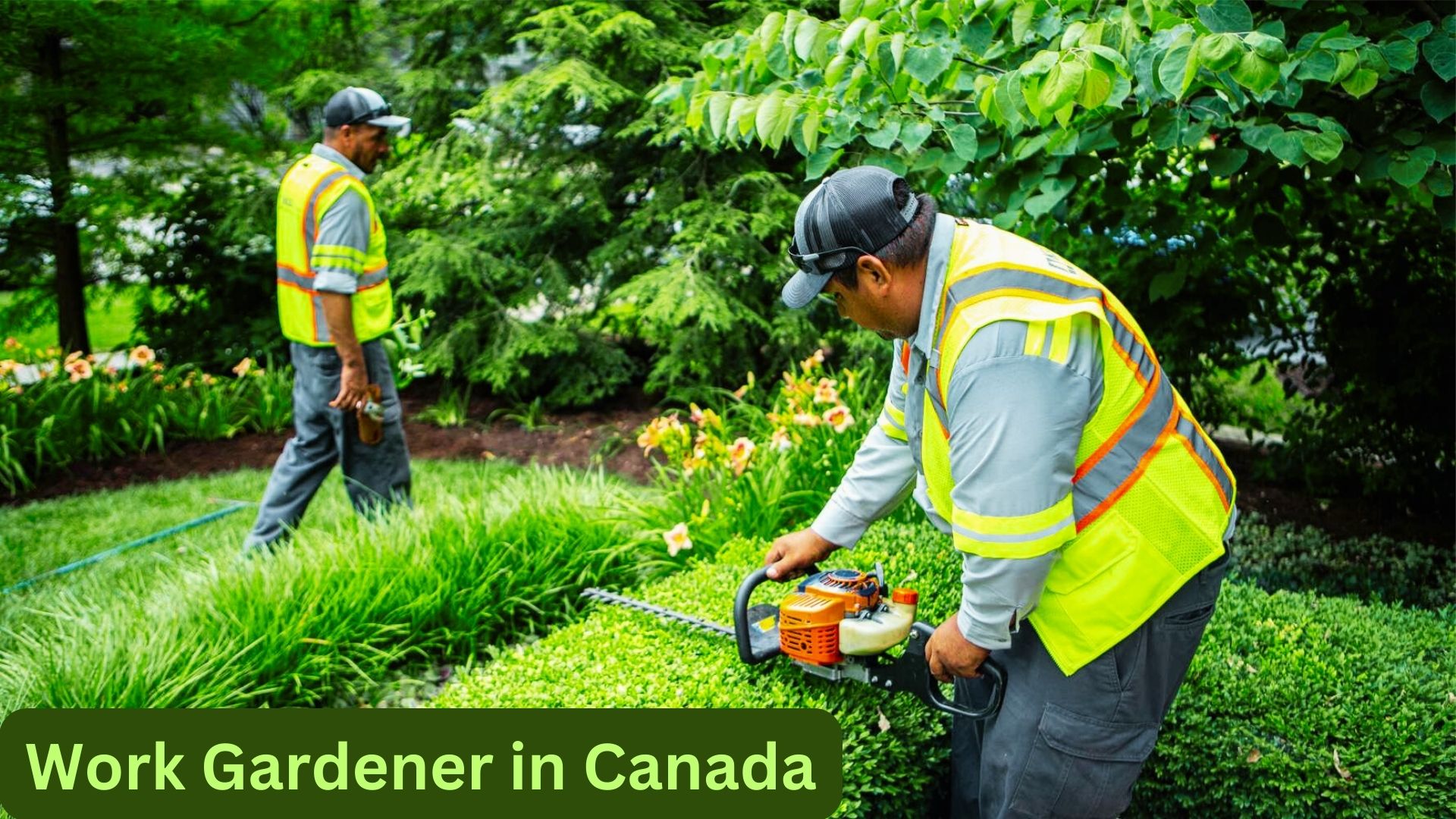
Alberta’s agricultural sector continues to experience persistent labour shortages, leading employers to recruit foreign workers for employer-sponsored agricultural jobs under Canada’s regulated temporary foreign worker and provincial immigration programs. For eligible foreign applicants, these opportunities may include paid relocation costs, employer-provided accommodation support, and health insurance coverage, depending on the employer and job location.
What Employers Are Offering
- ✔ Employer-provided health & medical insurance
- ✔ Visa sponsorship & legal work authorization
- ✔ Relocation assistance & settlement support
- ✔ Long-term employment & benefit coverage
- ✔ Permanent residency pathways (eligible roles)
This guide explains how sponsored agricultural jobs in Alberta work, what benefits employers can legally provide, available work permit options, and the eligibility requirements foreign workers must meet before applying.
Employment Benefit Eligibility Information
Applicants searching for international employment opportunities often compare roles offering employer-sponsored insurance coverage, relocation support, and legally compliant work authorization programs.
- Jobs with employer-provided health insurance benefits
- Visa sponsorship positions including medical coverage
- Full-time employment with dental and vision insurance
- High salary jobs offering worker protection benefits
- Healthcare and caregiver roles including insurance coverage
Understanding benefit eligibility requirements helps applicants evaluate qualified employment offers before submitting immigration applications.
Understanding Sponsored Agricultural Jobs in Alberta
Agricultural jobs in Alberta fall under regulated employment categories governed by federal and provincial labour laws. While many roles are classified as low-wage or seasonal, all foreign agricultural workers must be legally employed, insured, and authorized to work in Canada through approved immigration pathways.
Employers participating in government programs are required to meet strict compliance standards related to wages, working conditions, housing (where applicable), and worker protections.
Insurance & Worker Protection Requirements
Before visa approval, many employer-sponsored programs require proof of valid health insurance coverage and worker protection compliance. Immigration authorities verify medical coverage eligibility before granting work authorization.
Depending on the destination country, foreign employees may also need workplace injury protection, employer liability coverage, and travel medical insurance during relocation.
- Mandatory health insurance for visa holders
- Workplace accident and employer liability protection
- Travel and relocation medical coverage
- Insurance verification during immigration processing
Confirm insurance compliance requirements before submitting a work permit application.
Common Agricultural Jobs Available to Foreign Workers
Foreign workers are commonly hired for agricultural roles such as:
-
Farm labourers and general agricultural workers
-
Greenhouse and nursery workers
-
Livestock and dairy farm assistants
-
Crop harvesting and seasonal workers
-
Food processing and packing roles
-
Equipment and irrigation support workers
Demand is particularly high in rural regions across Alberta, where local labour supply is limited.
Salary and Compensation Expectations
Agricultural wages in Alberta are regulated and vary based on job type, region, and hours worked. Typical compensation includes:
-
Entry-level agricultural roles: CAD $16 – $20 per hour
-
Experienced or specialized farm roles: CAD $20 – $26 per hour
-
Overtime and peak-season work: Higher hourly earnings may apply
Employers must comply with Alberta employment standards, including minimum wage, overtime rules, and statutory deductions.
Relocation Costs and Employer Support (Clarification)
Employer-covered relocation support does not usually mean direct cash payments to workers. Instead, relocation assistance may include:
-
Employer-paid transportation to Alberta
-
Temporary accommodation upon arrival
-
Employer-arranged or subsidized housing
-
Assistance with work permit documentation
-
Onboarding and settlement support
The scope of relocation benefits depends on the employer, job duration, and government program under which the worker is hired.
Employer-Paid Health Insurance and Worker Protections
Legally employed agricultural workers in Alberta are entitled to essential protections, including:
-
Coverage under Alberta Health Care Insurance Plan (AHCIP) once eligible
-
Private health insurance provided by employers during waiting periods
-
Workplace safety insurance
-
Regulated working hours and rest periods
-
Access to provincial labour protections and dispute mechanisms
Many employers are required to provide health insurance coverage until workers qualify for provincial healthcare.
Work Permit Options for Agricultural Jobs in Alberta
Temporary Foreign Worker Program (TFWP)
Most sponsored agricultural jobs fall under the TFWP, which requires employers to obtain a Labour Market Impact Assessment (LMIA) confirming the need to hire foreign workers.
Seasonal Agricultural Worker Program (SAWP)
This program allows eligible workers from participating countries to work in Canada temporarily for agricultural seasons, with employers responsible for housing, transportation, and health coverage.
Alberta Advantage Immigration Program (AAIP)
In some cases, agricultural workers may transition to permanent residence through provincial nomination streams if they meet eligibility criteria and receive employer support.
Eligibility Requirements for Foreign Applicants
While requirements vary by program, most agricultural job applicants must provide:
-
A valid passport
-
A genuine job offer from an approved Alberta employer
-
Ability to perform physical farm work
-
Medical and security clearance
-
Willingness to comply with Canadian employment laws
No university degree is required for most agricultural roles.
Application Process (Step-by-Step)
-
Identify a legitimate Alberta employer hiring foreign agricultural workers
-
Receive a formal job offer
-
Employer completes LMIA or program approval (if required)
-
Submit work permit application
-
Travel to Alberta and begin legal employment
-
Enroll in health coverage and workplace programs
Applicants should apply only through verified employers and official government processes.
Who These Opportunities Are Suitable For
Sponsored agricultural jobs in Alberta are suitable for:
-
Foreign workers seeking legal employment in Canada
-
Applicants without advanced education or professional licensing
-
Individuals interested in rural or seasonal work
-
Workers planning long-term Canadian employment pathways
-
Candidates seeking employer-supported relocation and benefits
Important Legal Notice
Canada strictly enforces immigration and labour laws. Applicants should avoid recruiters requesting illegal fees, offering guaranteed visas, or bypassing government procedures. All job offers and work permits must be verified through official channels.
Final Thoughts
Sponsored agricultural jobs in Alberta provide a regulated pathway for foreign workers to gain legal employment in Canada, with competitive wages, employer-supported relocation, and access to health insurance protections. While benefits vary by employer and program, understanding the legal requirements and application process is essential for anyone considering this opportunity.